
 中文
中文

Common Types of Bolts and Nuts and Their Applications
In the manufacturing of pressure vessels, pipeline systems, and heavy equipment, bolts and nuts are critical connecting components. Their selection directly impacts structural safety and reliability. Below is a summary of 15 common types of bolts and nuts, including their features and typical application scenarios, for industry reference.
I. Bolts
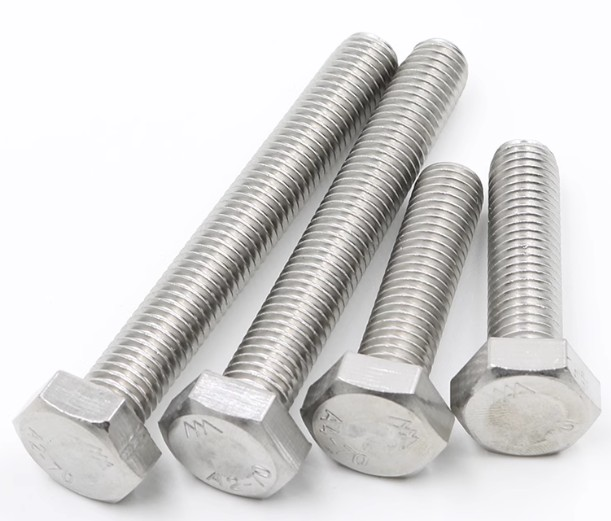
1. Hex Head Bolt
· Features: Hexagonal head for wrench tightening, easy installation, and high load-bearing capacity.
· Applications: General machinery, building structures, and basic connection scenarios.
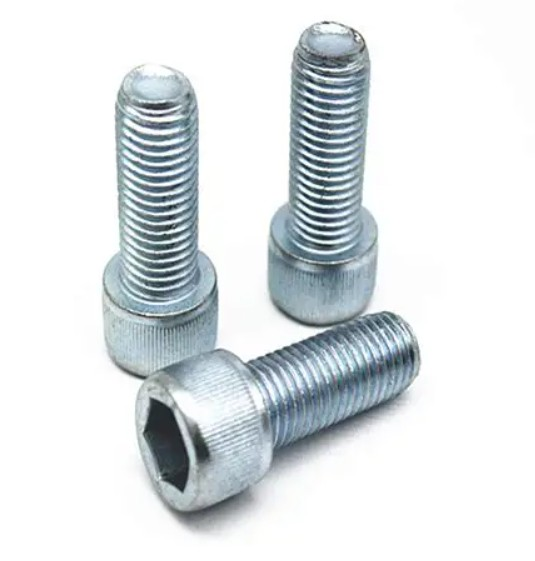
2. Allen Bolt
· Features: Hexagonal socket head requiring an Allen key for operation, compact structure, and high fastening force.
· Applications: Precision equipment, mold assembly, and hidden installation scenarios.
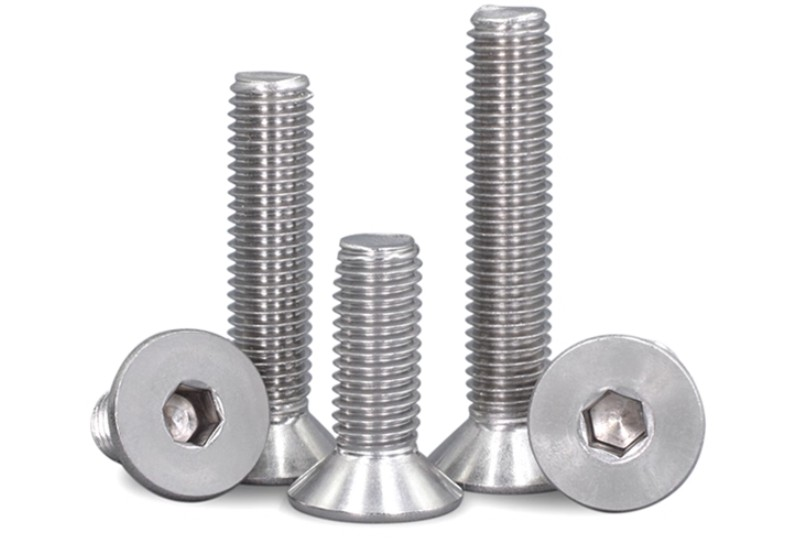
3. Countersunk Head Bolt
· Features: 90° conical head that can be fully embedded into the workpiece surface for a flat connection.
· Applications: Furniture, construction, and other scenarios requiring flush surfaces.
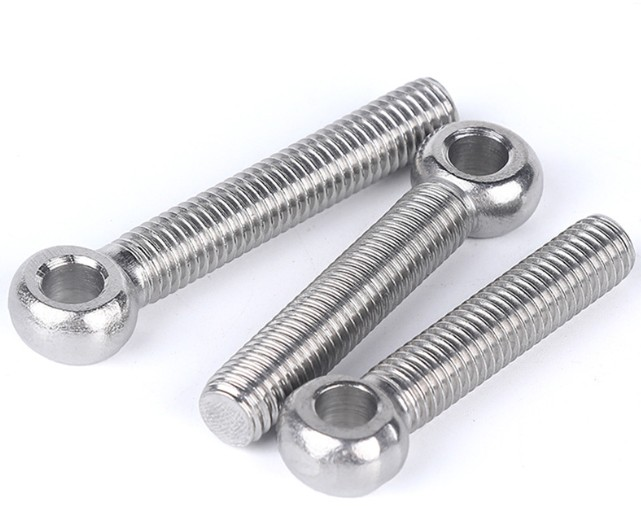
4. Union Bolt
· Features: Enables quick connection and disassembly via a threaded union, facilitating easy maintenance.
· Applications: Pipeline systems and fluid engineering requiring frequent disassembly.
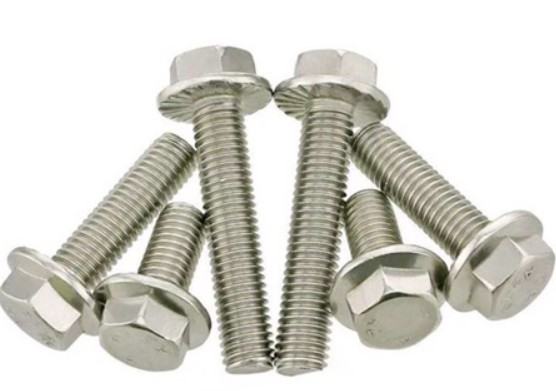
5. Flange Bolt
· Features: Integrated flange enlarges the contact area, offering excellent anti-loosening and vibration resistance.
· Applications: Engines, heavy equipment, and high-vibration, high-load environments.
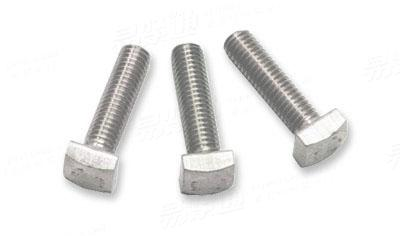
6. Square Head Bolt
· Features: Square head disperses shear force, providing outstanding shear resistance.
· Applications: Heavy machinery and structural connections under high shear loads.
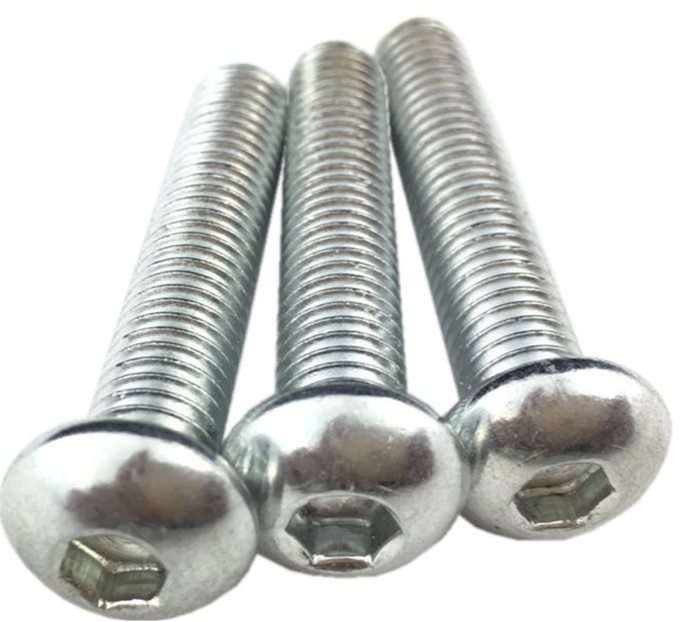
7. Round Head Bolt
· Features: Round head protrudes after installation, offering a smooth appearance.
· Applications: Furniture assembly, temporary fixes, and scenarios with low aesthetic requirements.
II. Nuts
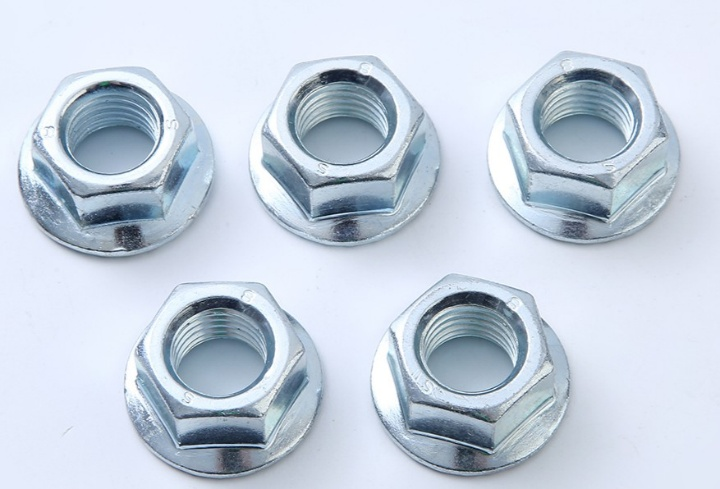
1. Lock Nut
· Features: Self-locking via friction, providing reliable anti-loosening performance.
· Applications: Engines, transmission systems, and other vibration-prone equipment.
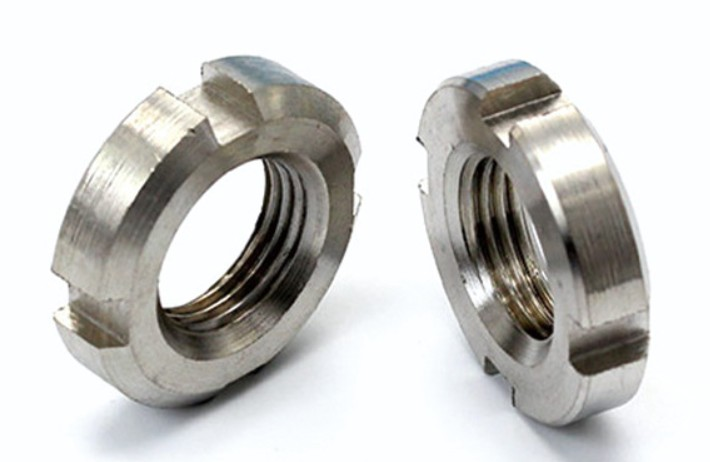
2. Round Nut
· Features: Often used with lock washers; interlocks via grooves for axial fixation.
· Applications: Bearing fixation and high-speed rotating equipment.
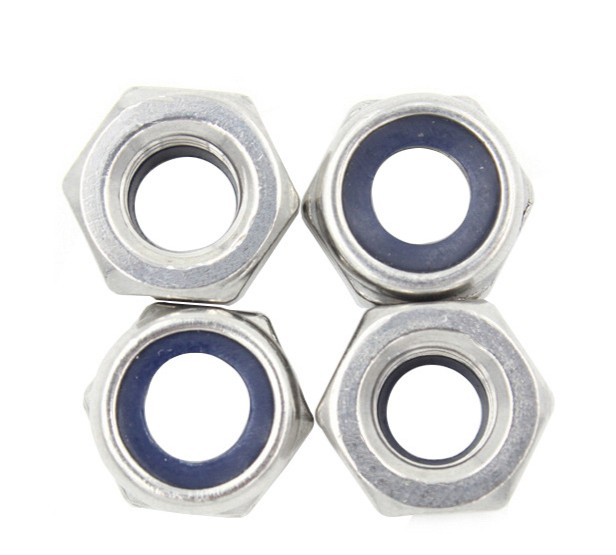
3. Self-locking Nut
· Features: Built-in nylon ring or deformed threads create friction for anti-loosening.
· Applications: Aerospace, automotive manufacturing, and other high-vibration fields.
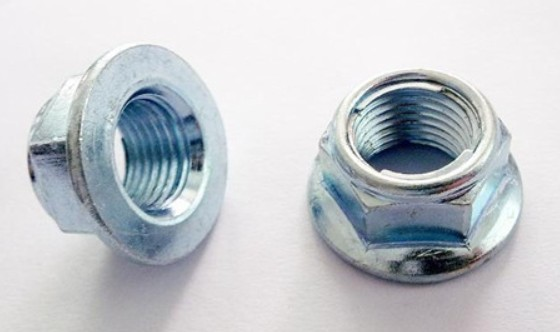
4. Lock Nut / Self-locking Nut
· Features: Mechanical design (e.g., riveting, deformation) prevents loosening.
· Applications: Vehicle chassis, mechanical equipment, and long-term vibration environments.
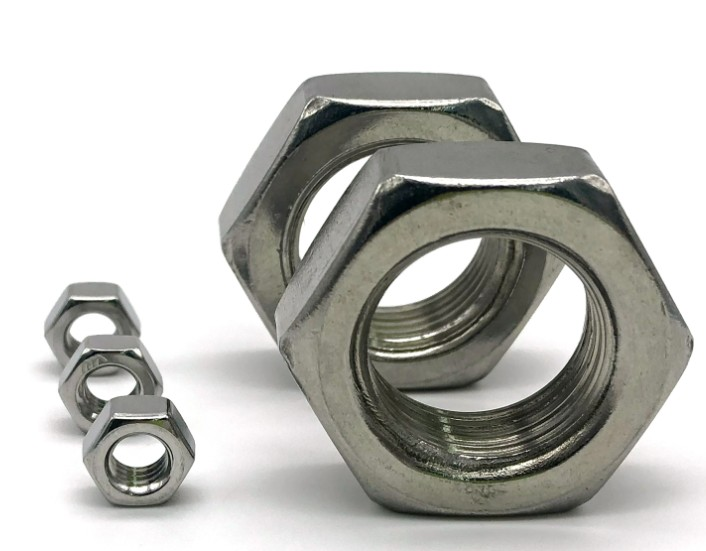
5. Hex Nut
· Features: Hexagonal shape compatible with standard wrenches, highly versatile.
· Applications: Basic fastening in mechanical connections and building structures.
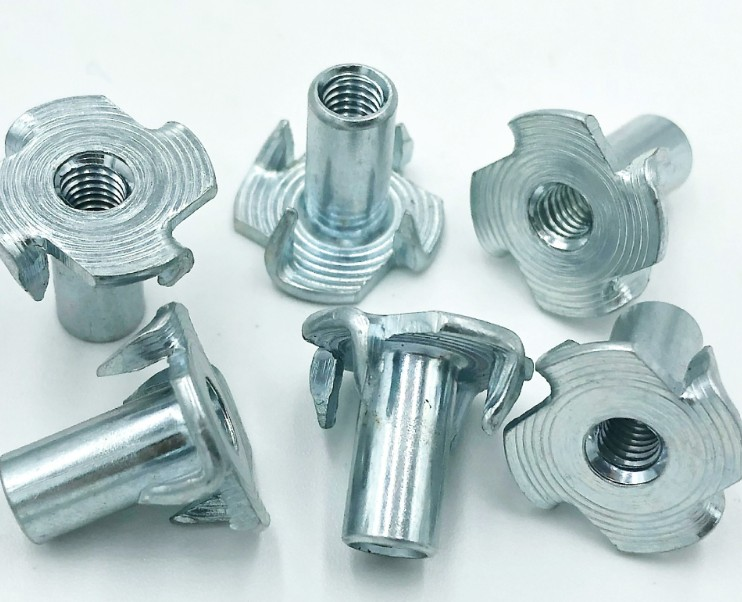
6. Claw Nut
· Features: Four-claw structure allows pre-embedding into plates without additional tools.
· Applications: Furniture, composite materials, and embedded connections in non-metallic materials.
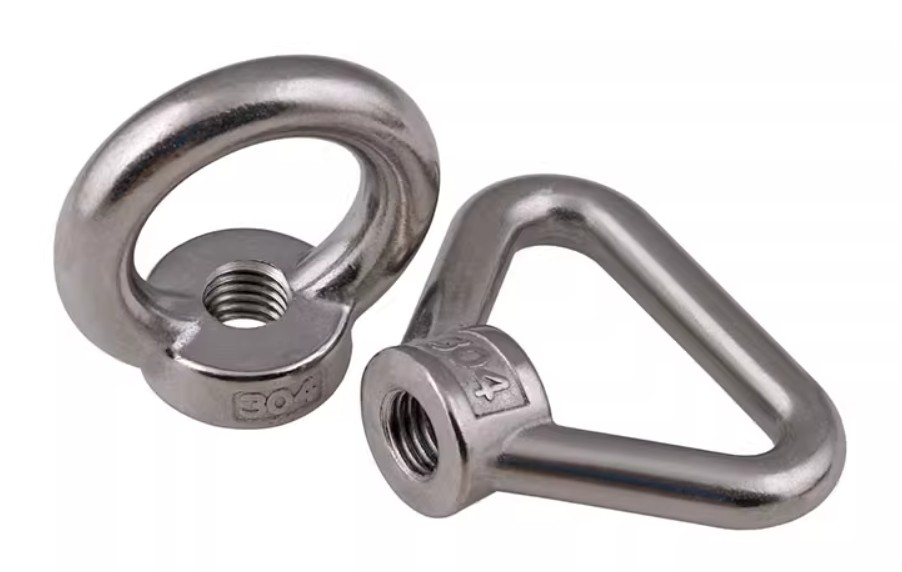
7. Ring Nut
· Features: Ring design ensures even clamping force and high security.
· Applications: Pressure vessel sealing, bearing fixation in heavy machinery.
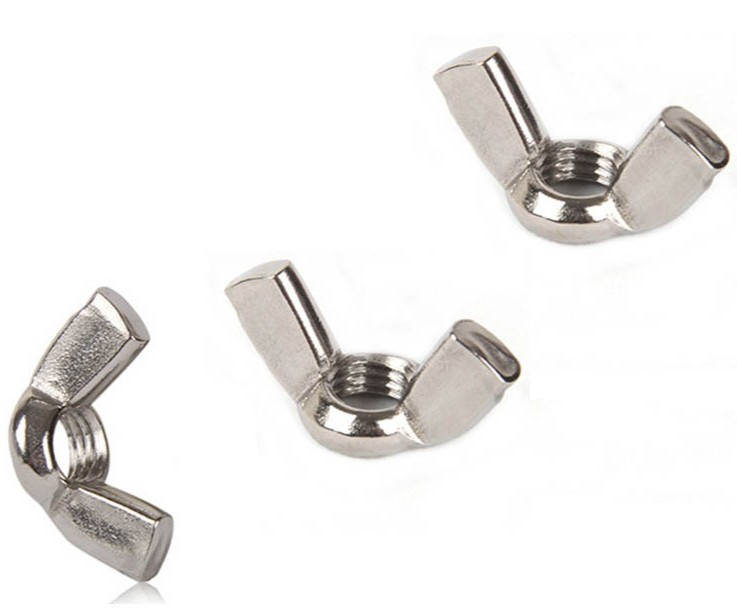
8. Wing Nut
· Features: Wing-shaped design enables hand-tightening without tools.
· Applications: Laboratory equipment, pipeline connections, and scenarios requiring quick adjustments.
ConclusionSelecting the right bolts and nuts is crucial for ensuring equipment safety and reliability. As a stainless-steel pressure vessel manufacturer, we prioritize the compatibility and reliability of connecting components, providing customized solutions tailored to operational needs.
ABOUT YITENG
PRODUCTS
CONTACT US
Wuxi Yiteng Pressure Vessel Co, Ltd.

Hello, I'm Aurora,a passionate B2B specialist. I'm here to guide you from concept to completion. Let's discuss how we can meet your project's exact requirements. Don't hesitate to reach out!


