
 中文
中文

Seamless vs. Welded Steel Pipes — A Comprehensive Comparison
【NEWS TITLE】Technical Insights: Seamless vs. Welded Steel Pipes — A Comprehensive Comparison
【TEXT】
Introduction
In the realm of industrial applications, choosing the right type of steel pipe is crucial for ensuring the structural integrity and efficiency of your projects. At [Your Company Name], we have specialized in stainless steel pressure vessels and modular systems for over 15 years, and we understand the importance of making informed decisions. This article will delve into the key differences between seamless and welded steel pipes, helping you make the best choice for your needs.
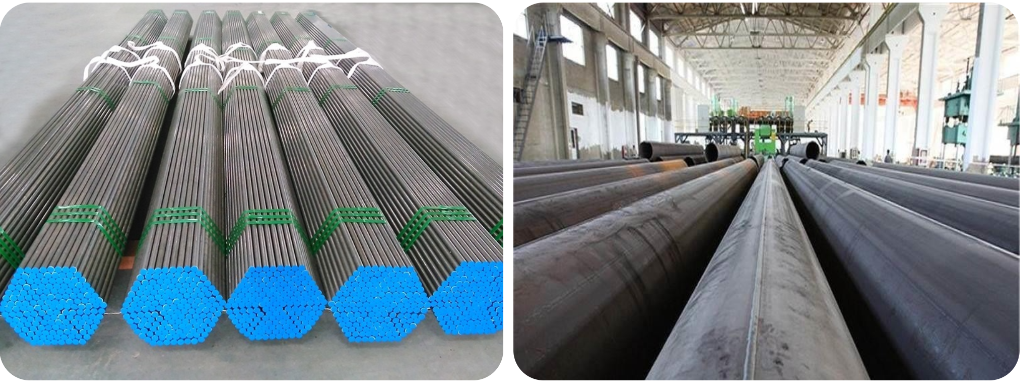
1. Manufacturing Process
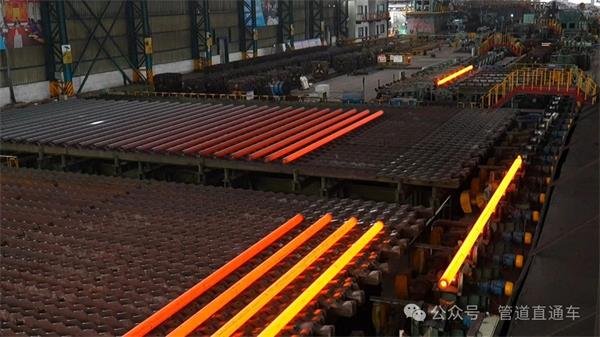
Seamless pipes are made from solid billets of steel. The billets are heated and then pierced through the center to form a hollow tube, which is subsequently rolled and drawn to the desired size. This process eliminates any weld seams, resulting in a uniform and continuous structure.
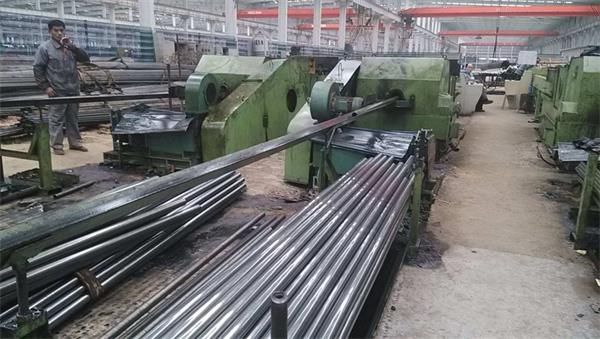
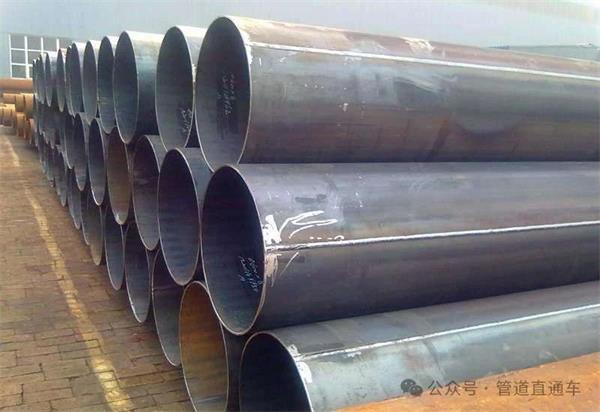
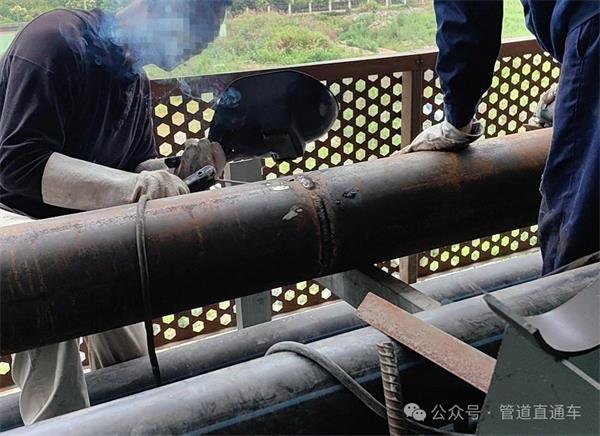
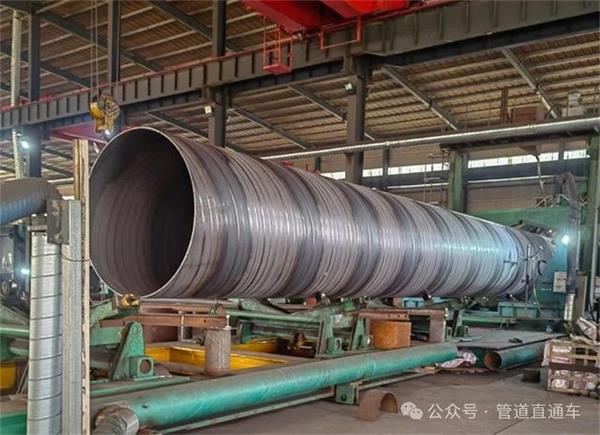
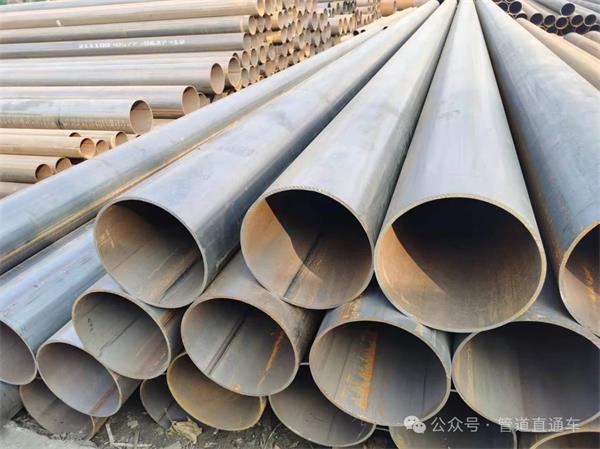
Welded pipes are produced by rolling steel plates or strips into a cylindrical shape and then welding the seam. Depending on the welding technique, they can be categorized into straight seam welded pipes and spiral welded pipes. This method is faster and more cost-effective, making it suitable for a wide range of applications.
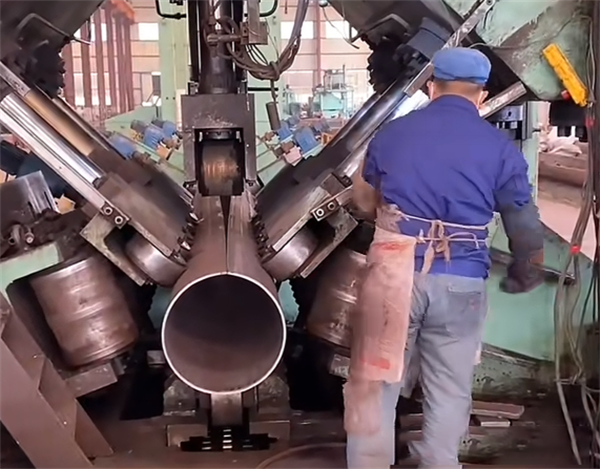
2. Structural Integrity
Seamless pipes offer superior structural integrity due to their uniform material composition and lack of weld seams. This makes them less prone to stress concentration points, enhancing their reliability in high-pressure and critical applications.
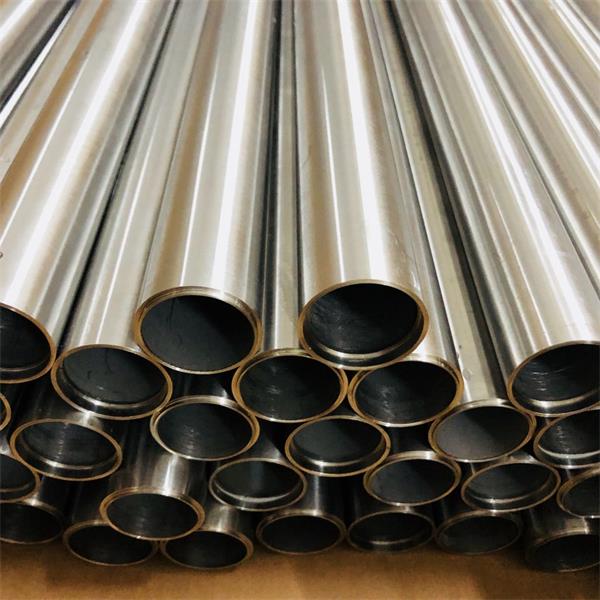
Welded pipes have a seam that can be a potential weak point. However, modern welding techniques and stringent quality control measures have significantly improved their structural integrity. Nevertheless, they still require more rigorous inspection to ensure the weld seam's integrity.
3. Pressure Resistance
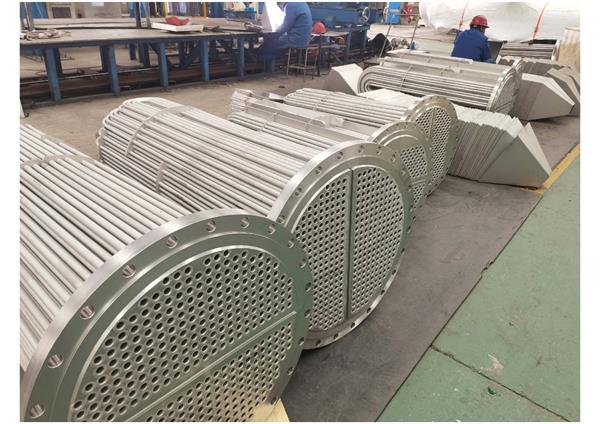
Due to their continuous structure, seamless pipes can withstand higher internal and external pressures. They are ideal for high-pressure applications such as boilers, heat exchangers, and oil and gas pipelines.
While welded pipes are suitable for medium and low-pressure applications, their pressure resistance is generally lower than that of seamless pipes. This is primarily due to the inherent limitations of the weld seam.
4. Dimensional Precision and Surface Quality
Seamless pipes, especially those produced through cold drawing, offer high dimensional precision and superior surface quality. This makes them suitable for applications requiring tight tolerances and smooth surfaces.
Welded pipes can also achieve good dimensional precision, especially when produced on automated lines. Their surface quality is generally sufficient for most applications, though it may not match the smoothness of seamless pipes.
5. Inspection Requirements
Even though seamless pipes do not have weld seams, they still require non-destructive testing (NDT) to ensure there are no internal defects or cracks. Common methods include ultrasonic testing and magnetic particle inspection.
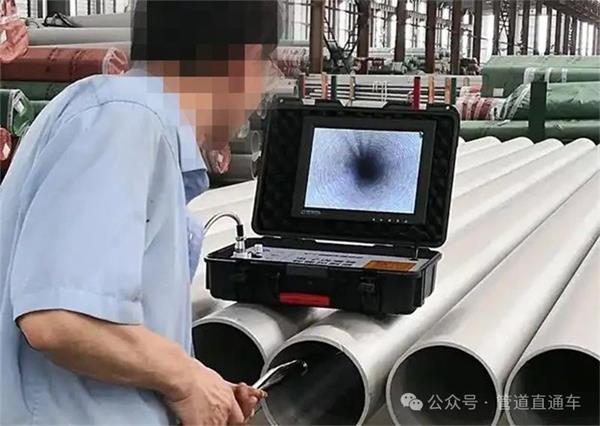
The weld seam is a critical area that requires thorough inspection. Techniques such as X-ray and ultrasonic testing are commonly used to ensure the weld seam's integrity and detect any potential flaws.
6. Cost and Price
The production process of seamless pipes is more complex and capital-intensive, resulting in higher unit costs. This makes them more expensive than welded pipes.
Welded pipes are generally more cost-effective due to their simpler manufacturing process and higher material utilization rate. This makes them a popular choice for applications where cost is a significant factor.
7. Application Areas
Seamless pipes are commonly used in high-pressure and high-precision applications such as high-pressure boilers, heat exchangers, oil and gas pipelines, and precision mechanical structures.
Welded pipes are widely used in construction, fencing, low-pressure fluid transportation, and general structural applications where high pressure resistance is not a primary concern.
Conclusion
Both seamless and welded steel pipes have their unique advantages and are suited to different applications. Seamless pipes are ideal for high-pressure and critical applications where structural integrity is paramount. Welded pipes, on the other hand, offer a cost-effective solution for medium and low-pressure applications.
At YITENG pressure vessel, we provide a wide range of stainless-steel pressure vessels and modular systems, utilizing both seamless and welded pipes to meet your specific needs. Our expertise in ASME “U” stamps, NB registration, PED 2014/68/EU approval, and ISO 9001 certification ensures that every product we deliver meets the highest standards of quality and reliability.
ABOUT YITENG
PRODUCTS
CONTACT US
Wuxi Yiteng Pressure Vessel Co, Ltd.

Hello, I'm Aurora,a passionate B2B specialist. I'm here to guide you from concept to completion. Let's discuss how we can meet your project's exact requirements. Don't hesitate to reach out!


