
 中文
中文

Four Key Heat Treatment Processes in Pressure Vessel Manufacturing
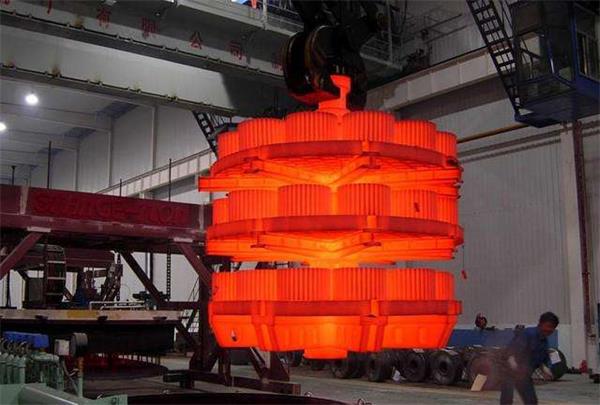
Introduction
Heat treatment is a crucial process in the manufacturing of pressure vessels, as it significantly enhances the mechanical properties and service life of the materials used.
At Yiteng, we have over 15 years of experience in stainless steel pressure vessels and modular systems, and we understand the importance of precise heat treatment to ensure the highest quality and reliability of our products. This article will explain the four key heat treatment processes—annealing, normalizing, quenching, and tempering—and their specific applications in our manufacturing process.
| Heat Treatment | Definition | Purpose |
| Annealing | Annealing involves heating steel to a temperature above or below the critical point (Ac1), holding it at that temperature for a period, and then cooling it slowly to achieve a near-equilibrium microstructure. The cooling process is typically done in the furnace to ensure a gradual reduction in temperature. |
|
| Normalizing | Normalizing involves heating steel to a temperature above Ac3 or Accm (typically 30–50°C higher), holding it at that temperature, and then cooling it in air to achieve a near-equilibrium microstructure. The cooling rate in normalizing is faster than in annealing, resulting in a finer pearlitic structure with higher strength and hardness. |
|
| Quenching | Quenching involves heating steel to a temperature above Ac3 or Ac1, holding it at that temperature, and then cooling it rapidly at a rate greater than the critical cooling speed to form martensite. This process significantly increases the hardness and wear resistance of the steel. |
|
| Tempering | Tempering involves heating quenched steel to a temperature below Ac1, holding it at that temperature, and then cooling it to room temperature. This process is typically done to relieve internal stresses and improve the toughness of the material. |
|
Application in Pressure Vessel Manufacturing
At YITENG PV, we utilize these heat treatment processes to ensure that our pressure vessels meet the highest standards of quality and reliability. For example:
Conclusion
Understanding the four key heat treatment processes—annealing, normalizing, quenching, and tempering—is essential for anyone involved in the manufacturing or specification of pressure vessels. At Yiteng, we trace these processes to ensure that our products are not only strong and durable but also reliable and safe for use in a wide range of applications.
ABOUT YITENG
PRODUCTS
CONTACT US
Wuxi Yiteng Pressure Vessel Co, Ltd.

Hello, I'm Aurora,a passionate B2B specialist. I'm here to guide you from concept to completion. Let's discuss how we can meet your project's exact requirements. Don't hesitate to reach out!


